Partnerships Powering New Frontiers in Digital Card Game Variants
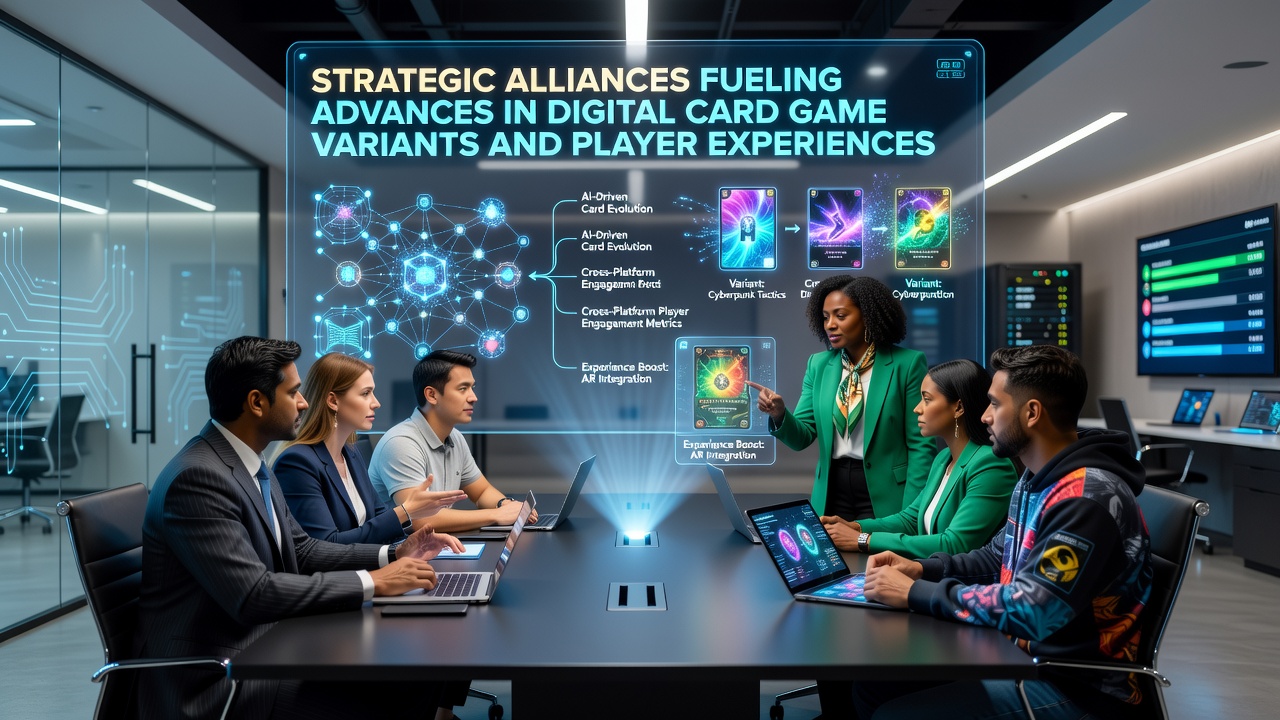
Strategic alliances between software developers, technology providers, and gaming operators continue to reshape digital card game variants while expanding player engagement options across multiple platforms. These collaborations integrate advanced algorithms with user interface improvements that support new rule sets and hybrid game formats, and they also introduce features like real-time multiplayer synchronization that were previously limited by infrastructure constraints.
Recent Alliance Examples Driving Variant Development
Companies such as Playtech and Evolution Gaming formed agreements in early 2025 that combined live dealer infrastructure with algorithmic variant generation tools, resulting in titles that blend traditional poker structures with blackjack payout mechanics and variable deck counts. Observers note these partnerships allow rapid deployment of region-specific rule adjustments without separate codebases for each market, and they reduce development cycles from months to weeks when new compliance requirements emerge.
Another arrangement between Scientific Games and a Canadian technology firm produced a digital variant collection that incorporates progressive side bets across multiple tables, with data shared through centralized servers that update prize pools in real time. This setup has enabled operators to offer synchronized jackpot events during peak hours, increasing session lengths according to internal metrics released by participating platforms.
Technology Integration and Player Experience Enhancements
Alliances often focus on cloud-based rendering and artificial intelligence modules that personalize card distribution patterns based on individual play history while maintaining regulatory randomness standards. Researchers at several European institutions have documented how these systems decrease latency during high-volume tournaments, allowing smoother transitions between betting rounds and reducing disconnect incidents that previously disrupted competitive events.
Players encounter expanded customization through these partnerships, including adjustable table themes, multi-language voice overlays, and integrated chat systems that support tournament coordination. Data indicates that platforms leveraging shared development resources report higher retention rates in regions where mobile access dominates, particularly when alliances incorporate payment gateway providers from local markets to streamline deposits and withdrawals.

Market Data and Regulatory Context Through Mid-2026
Industry reports compiled through July 2026 highlight growth in hybrid card game adoption following several cross-border partnerships that aligned with updated licensing frameworks in Australia and parts of Asia. Figures from the Australian Communications and Media Authority reveal increased licensing applications for digital variants that incorporate alliance-developed compliance tools, suggesting operators view these collaborations as efficient pathways for market entry.
One study released by a North American research consortium found that alliances incorporating hardware acceleration for augmented reality overlays produced measurable increases in average session duration compared with standard digital interfaces. These findings connect directly to player feedback collected through in-app surveys, where participants cited improved visual clarity and social features as primary factors influencing continued engagement.
Case Examples of Variant Expansion
Take one development team that partnered with a European payment processor to launch a variant featuring multi-currency betting pools settled through instant conversion engines. The resulting product allowed simultaneous participation from users in different jurisdictions without manual reconciliation steps, and operators reported streamlined auditing processes as a direct outcome of the integrated backend architecture.
Another collaboration between an Asian game studio and a US-based analytics provider yielded card game variants with dynamic difficulty scaling that adjusts based on aggregated player data across networks. Those who've studied the implementation note that such features maintain house edge consistency while providing skill-based progression elements that appeal to returning users.
Future Projections and Ongoing Developments
Analysts project continued expansion through 2027 as alliances explore integration with emerging standards for decentralized identity verification and cross-platform account portability. These efforts aim to address fragmentation across different regulatory environments while preserving the security protocols required by licensing authorities in multiple jurisdictions.
Conclusion
Strategic alliances have established measurable pathways for advancing digital card game variants through shared technical resources and coordinated regulatory compliance. Evidence from multiple regions shows these partnerships accelerate feature deployment and broaden accessibility, creating sustained growth in player participation metrics across established and emerging markets.