Adoption Patterns of Hybrid Games Point to Evolving Ties Between Game Developers and Casino Groups
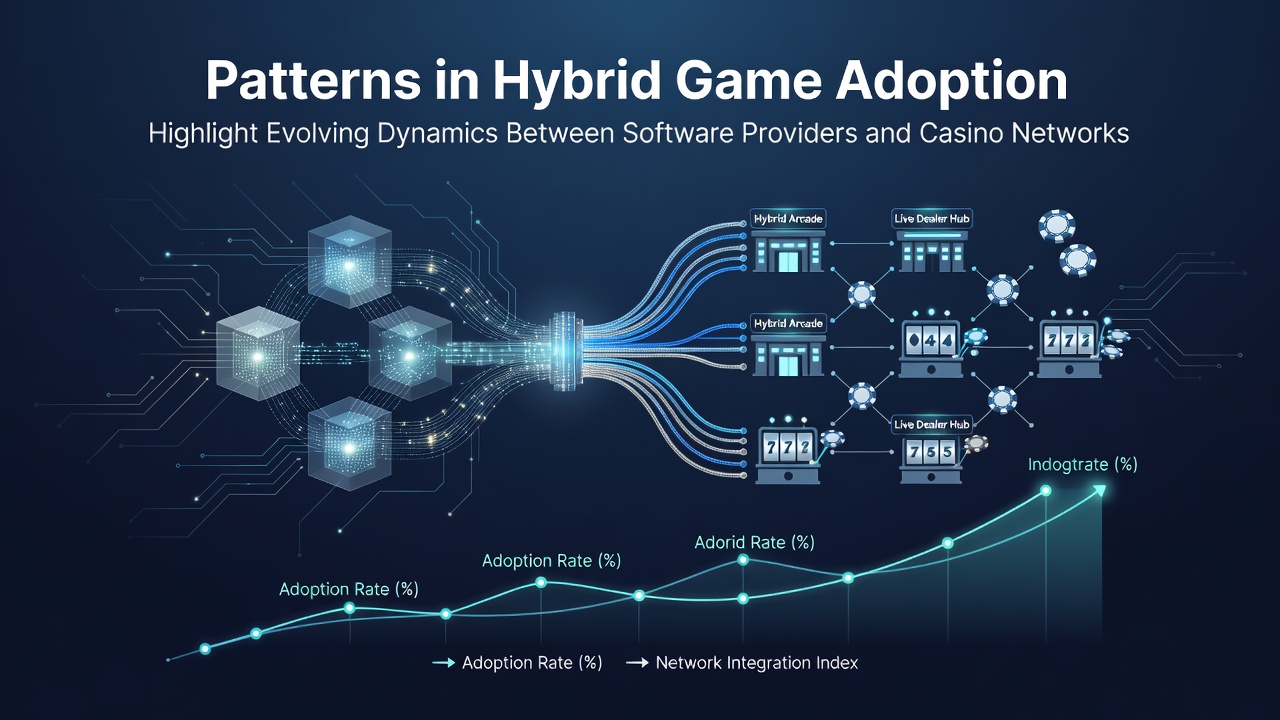
Hybrid games combine elements from slots, table games, and live dealer formats into single platforms that operate across both online networks and land-based terminals, and recent adoption data shows steady growth in these products since early 2025. Observers note that software providers have adjusted their development cycles to accommodate casino networks that demand modular components rather than standalone titles, which allows operators to swap features without full system overhauls.
Figures from industry tracking services reveal that hybrid titles accounted for roughly 18 percent of new game launches in the first half of 2026, up from 11 percent during the same period two years earlier. This increase coincides with several major casino groups expanding their digital footprints while maintaining physical properties, creating demand for games that function seamlessly in both environments. Researchers tracking supplier contracts report that licensing agreements now frequently include clauses for shared data analytics, giving providers access to player behavior metrics that previously remained with operators alone.
Technical Integration Requirements Drive Contract Changes
Casino networks have pushed for standardized APIs that let hybrid games pull real-time information from loyalty databases and payment gateways, and software providers responded by embedding these capabilities into their core engines during 2025 and 2026. Data indicates that integration timelines shortened from an average of 14 weeks to nine weeks across a sample of 47 North American properties tracked by independent consultants. Shorter timelines stem from pre-built connector libraries that handle jurisdiction-specific compliance rules, including those enforced by the Nevada Gaming Control Board and the Alcohol and Gaming Commission of Ontario.
What's interesting is how revenue-sharing models evolved alongside these technical shifts. Contracts signed in July 2026 often split proceeds from in-game purchases and tournament entries rather than relying solely on flat licensing fees. One study released by a Canadian research institute found that operators using revenue-share structures reported 23 percent higher retention rates for hybrid titles compared with fixed-fee arrangements during the first quarter of deployment.
Regional Differences Shape Provider Strategies
European operators tend to prioritize mobile-first hybrid experiences that support multiple currencies and language packs, whereas North American groups focus on integration with existing slot accounting systems. Australian venues tracked by local regulatory bodies show preference for games that incorporate skill-based bonus rounds tied to loyalty points, reflecting different player expectations across markets. Providers have therefore segmented their development teams by region, assigning dedicated engineers to handle compliance and localization tasks that vary significantly between jurisdictions.
Turns out these regional approaches influence partnership longevity. Multi-year agreements now commonly include performance benchmarks tied to uptime across different regulatory zones, with penalties applied when games fail to meet jurisdictional certification deadlines. Industry reports compiled by trade associations in Australia and Canada document that such clauses reduced certification delays by nearly 30 percent between 2024 and 2026.

Data Sharing Agreements Alter Competitive Landscape
Hybrid game platforms generate detailed logs on session length, bonus trigger frequency, and cross-device migration patterns, and casino networks have begun requiring providers to supply anonymized versions of this data under controlled access protocols. A university research paper examining 12 European casino groups found that shared analytics enabled operators to adjust floor layouts in real time, moving physical terminals to high-traffic areas based on digital engagement spikes. Providers gain value too, since aggregated insights help refine game mathematics and reduce time spent on underperforming mechanics.
Yet these arrangements raise questions about data ownership that continue to appear in contract negotiations. Some networks insist on exclusive rights to certain behavioral datasets for a defined period, while providers counter with requests for broader usage rights across their client base. Observers tracking these discussions note that compromise language often appears in side letters rather than master agreements, allowing both parties flexibility without reopening core financial terms.
Future Roadmap Focuses on Modular Expansion
Software roadmaps released in mid-2026 emphasize plug-in modules for tournament overlays, progressive jackpot linkages, and live dealer synchronization, all designed to slot into existing hybrid frameworks without requiring full recompilation. Casino operators have signaled interest in these additions through preliminary letters of intent that commit them to pilot programs once certification clears. Trade group surveys indicate that more than 60 percent of responding networks plan to test at least two new hybrid modules before the end of 2027.
Conclusion
Patterns emerging from hybrid game adoption continue to reshape how software providers and casino networks structure their relationships, with technical integration requirements, regional compliance needs, and data-sharing protocols all playing measurable roles. Documentation from regulatory filings and academic studies shows these dynamics producing shorter development cycles, revised revenue models, and segmented product strategies tailored to distinct markets. As both sides refine their approaches through ongoing contract negotiations, the resulting frameworks establish clearer pathways for future product expansions across online and land-based channels.